


Best Vacation in Egypt: Culture, Nile Cruise, Desert and Red Sea
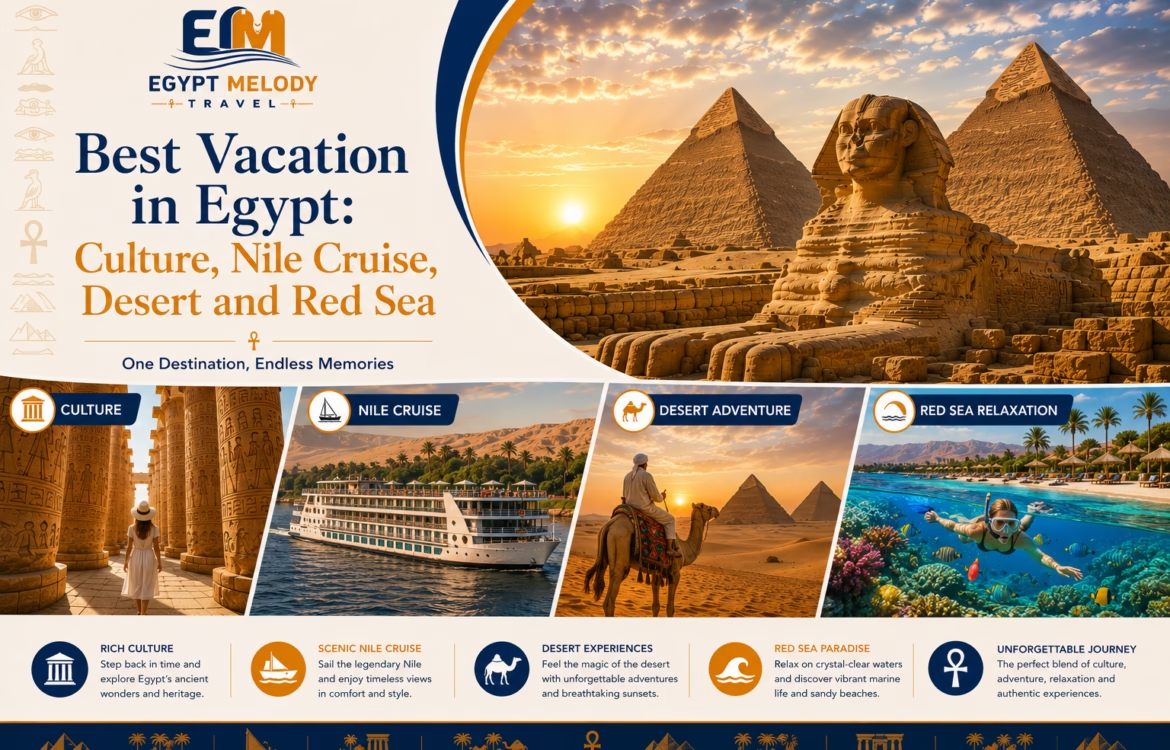
Planning the best vacation in Egypt means creating the right balance between history, culture, comfort, adventure, and relaxation. Egypt is one of the few destinations where you can visit ancient pyramids, explore temples, sail the Nile, camp in the desert, relax by the Red Sea, and experience local culture in one trip.
For first-time visitors, Egypt can feel full of possibilities. You may want to see the Pyramids of Giza, visit Cairo’s museums, explore Luxor and Aswan, enjoy an Egypt Nile cruise, discover Abu Simbel, add a Red Sea beach extension, or take a desert safari. The challenge is knowing how to combine these experiences in a way that feels smooth and enjoyable.
The best Egypt vacation is not always the longest itinerary. It is the itinerary that matches your travel style, gives you enough time in each place, and avoids unnecessary rushing. A good vacation should feel exciting, but also comfortable and well organized.
At Egypt Melody, we help international travelers design custom Egypt vacations based on their dates, budget, preferred destinations, and comfort level. Whether you want a cultural tour, Nile cruise package, family vacation, romantic holiday, luxury trip, desert adventure, or Red Sea extension, our local team can help create the right journey.
This guide explains how to plan the best vacation in Egypt by combining culture, Nile cruise, desert, and Red Sea experiences in one memorable trip.
What Is the Best Vacation in Egypt?
The best vacation in Egypt depends on what you want to experience. Some travelers visit Egypt mainly for ancient history. Others want a mix of history and relaxation. Some want adventure, photography, luxury hotels, local culture, or a family-friendly itinerary.
For most first-time visitors, the best vacation in Egypt includes Cairo, the Pyramids of Giza, Luxor, Aswan, and a Nile cruise. This route gives you the strongest introduction to the country’s history and beauty. You can see the pyramids, visit famous temples, explore tombs, and sail between Luxor and Aswan.
If you have more time, adding Abu Simbel makes the itinerary stronger. The temples of Abu Simbel are among the most impressive monuments in Egypt and are often visited from Aswan.
If you want relaxation, a Red Sea extension is a great choice. Hurghada or Sharm El Sheikh can be added after the cultural part of the trip so you can rest by the beach, snorkel, dive, or enjoy resort facilities.
If you want adventure, desert safari experiences can be added from Cairo or other routes. The White Desert, Black Desert, Fayoum, and oasis trips offer a completely different side of Egypt.
The best vacation is the one that combines the experiences you care about most.
Classic Egypt Vacation Route
A classic Egypt vacation route usually includes Cairo, Giza, Luxor, Aswan, and a Nile cruise. This is the most popular option for first-time visitors because it covers the most important highlights.
The trip usually starts in Cairo. Here you can visit the Pyramids of Giza, the Great Sphinx, major museums, Islamic Cairo, Coptic Cairo, and Khan El Khalili Bazaar. Cairo gives you the first taste of ancient history and modern Egyptian life.
After Cairo, travelers usually fly to Luxor or Aswan to begin the Upper Egypt part of the journey. Luxor is one of the richest historical destinations in Egypt. It includes Karnak Temple, Luxor Temple, Valley of the Kings, Hatshepsut Temple, and other famous sites.
A Nile cruise connects Luxor and Aswan in a comfortable way. During the cruise, you can visit Edfu Temple, Kom Ombo Temple, Philae Temple, and other highlights while enjoying river views.
Aswan adds a calmer and more scenic side to the vacation. It is known for Nubian culture, peaceful Nile views, island temples, and access to Abu Simbel.
This classic route is ideal for travelers who want the heart of Egypt in one well-organized package.
Cairo and the Pyramids: The Perfect Start
No vacation in Egypt feels complete without Cairo and the Pyramids of Giza. For many travelers, seeing the pyramids is the moment they have dreamed about for years.
A private tour of the Pyramids of Giza usually includes the Great Pyramid, the other pyramids, the Great Sphinx, and panoramic viewpoints. With a licensed guide, the visit becomes more than a photo stop. You learn about ancient kings, construction theories, burial traditions, and the meaning of the site.
Cairo also offers some of the best museums and cultural attractions in the country. Depending on your itinerary, you can visit major Egyptian museums, Islamic Cairo, Coptic Cairo, the Citadel, old mosques, historic churches, and local markets.
If you have extra time, Saqqara and Memphis are excellent additions. Saqqara is home to the Step Pyramid of Djoser and helps travelers understand the development of pyramid building before Giza.
Cairo is busy and energetic, so private transportation and good planning are very important. Egypt Melody can help arrange Cairo tours that fit your arrival time, hotel location, and interests.
Nile Cruise: The Heart of an Egypt Vacation
An Egypt Nile cruise is often the heart of the best vacation in Egypt. It combines sightseeing, relaxation, comfort, and river views in one experience.
Most Nile cruises sail between Luxor and Aswan. During the journey, travelers visit famous historical sites while staying on board the cruise ship. This means your accommodation moves with you, reducing the need to change hotels every night.
A typical Nile cruise itinerary may include Karnak Temple, Luxor Temple, Valley of the Kings, Hatshepsut Temple, Edfu Temple, Kom Ombo Temple, Philae Temple, and Aswan highlights.
The cruise also gives you time to rest. After busy sightseeing days in Cairo or Luxor, sailing along the Nile feels peaceful. You can enjoy meals on board, watch the scenery, and relax between guided visits.
There are different cruise levels, including standard, deluxe, luxury, and premium. The right choice depends on your budget, comfort expectations, and travel style.
For many travelers, a Cairo and Nile cruise package is the best introduction to Egypt because it includes the Pyramids, temples, tombs, and the Nile in one route.
Luxor and Aswan: Ancient History and Nile Beauty
Luxor and Aswan are essential destinations for a cultural vacation in Egypt. They show the depth of ancient Egyptian civilization and the beauty of the Nile.
Luxor is often called an open-air museum because it contains so many important sites. The East Bank includes Karnak Temple and Luxor Temple. The West Bank includes Valley of the Kings, Hatshepsut Temple, and the Colossi of Memnon.
For travelers who love history, Luxor deserves time. A rushed visit can still be impressive, but a well-planned itinerary allows you to understand the stories behind the temples and tombs.
Aswan is different from Luxor. It is calmer, more scenic, and known for peaceful Nile views. Highlights include Philae Temple, the High Dam, the Unfinished Obelisk, Nubian Village, and felucca sailing.
Abu Simbel can be added from Aswan. The temples are far from the city, but they are among Egypt’s most powerful ancient monuments.
Together, Luxor and Aswan create one of the most memorable parts of any Egypt vacation.
Red Sea Vacation Extension
Adding the Red Sea to your vacation in Egypt is a great way to balance sightseeing with relaxation. After several days of temples, museums, and transfers, a beach extension gives you time to rest.
Hurghada and Sharm El Sheikh are two of the most popular Red Sea destinations. They offer resorts, beaches, snorkeling, diving, boat trips, and water activities.
A Red Sea extension is perfect for families, couples, honeymooners, and travelers who want a slower ending to their Egypt trip. Families can enjoy resort facilities and easy beach days. Couples may prefer romantic resorts, sea views, and private activities. Active travelers can enjoy diving, snorkeling, and boat excursions.
A common itinerary may include Cairo, Luxor, Aswan, a Nile cruise, and then Hurghada or Sharm El Sheikh. This creates a complete vacation that includes culture, history, and relaxation.
Egypt Melody can help you choose the right Red Sea destination based on your route, budget, hotel preference, and total travel days.
Desert Safari and Adventure Vacation
Egypt is also a wonderful destination for adventure travelers. If you want something different from the classic temples and museums, a desert safari can make your vacation more unique.
The White Desert is one of the most famous desert areas in Egypt. It is known for its unusual white rock formations, wide landscapes, camping experiences, and stargazing. Many travelers describe it as one of the most surprising parts of their Egypt trip.
The Black Desert, Bahariya Oasis, Fayoum, and other desert areas can also be included depending on your itinerary. Desert trips may include 4×4 transportation, camping, local meals, sunset views, and natural landscapes.
Desert safari experiences are ideal for photographers, nature lovers, and travelers who want adventure. They can be added before or after Cairo, or combined with a longer Egypt travel package.
Because desert travel requires proper planning, it is important to book with a reliable local team. Egypt Melody can help arrange desert safari tours as part of your custom vacation in Egypt.
Vacation in Egypt for Families
A family vacation in Egypt can be exciting, educational, and memorable. Children often enjoy seeing the Pyramids, learning about mummies, exploring temples, riding boats, visiting markets, and relaxing by the Red Sea.
However, family travel needs careful planning. The itinerary should not be too rushed, and the schedule should include enough rest time. Long museum visits, early starts, and packed sightseeing days may be tiring for young travelers.
Private transportation is very helpful for families because it gives more flexibility. You can take breaks, adjust timing, and travel more comfortably between sites.
A family-friendly Egypt itinerary may include Cairo, the Pyramids, Luxor, Aswan, a Nile cruise, and a Red Sea extension. Adding beach time at the end gives children and parents time to relax after cultural visits.
Egypt Melody can customize family Egypt vacations based on children’s ages, hotel needs, travel pace, and preferred activities.
Vacation in Egypt for Couples
Egypt is a beautiful destination for couples, honeymooners, and travelers celebrating special occasions. It offers romance, history, river views, luxury hotels, private tours, and beach relaxation.
A couple’s vacation in Egypt may include a private Pyramids tour, a luxury Nile cruise, a sunset felucca ride in Aswan, a hot air balloon ride in Luxor, and a Red Sea resort stay.
Private tours are usually best for couples because they offer more flexibility and privacy. You can move at your own pace, avoid large groups, and enjoy the trip together.
A Nile cruise is especially romantic because it combines peaceful sailing, historical visits, and beautiful river scenery. A luxury cruise or upgraded cabin can make the experience even better.
Egypt Melody can help couples design romantic Egypt vacations for honeymoons, anniversaries, or special trips.
Luxury Vacation in Egypt
A luxury vacation in Egypt focuses on comfort, private service, high-quality hotels, premium Nile cruises, and smooth logistics.
Luxury travelers often prefer private guides, private transportation, carefully selected hotels, Nile-view rooms, high-end cruise cabins, and personalized daily planning. The goal is to enjoy Egypt’s highlights without stress.
A luxury itinerary may include Cairo, Giza, Luxor, Aswan, Abu Simbel, a luxury Nile cruise, Red Sea resorts, and special cultural experiences.
Luxury travel is not about filling every day with too many activities. It is about enjoying each experience properly, with good timing and comfort. A slower pace can often make the trip feel more premium.
Egypt Melody can help create luxury Egypt travel packages that match your expectations, from hotel level to cruise category and private experiences.
Budget-Friendly Vacation in Egypt
A budget-friendly vacation in Egypt is possible with smart planning. You do not need to choose the most expensive hotels or cruise options to enjoy the country.
A practical Egypt vacation can include comfortable mid-range hotels, essential guided tours, efficient transportation, and a well-chosen itinerary. The key is knowing where to save and where not to save.
It is usually worth investing in good guides and reliable transportation because they affect the quality of your daily experience. You can save money by choosing practical hotels, limiting unnecessary optional tours, or traveling outside peak holiday periods.
A budget-friendly itinerary may include Cairo, Giza, Luxor, Aswan, and a standard or deluxe Nile cruise. If you have more time and budget, you can add the Red Sea or desert safari.
Egypt Melody can help design a package that balances cost, comfort, and experience.
Suggested 10-Day Best Vacation in Egypt Itinerary
A 10-day vacation in Egypt gives you enough time to enjoy the classic highlights and add one special extension.
Day 1: Arrive in Cairo and transfer to your hotel.
Day 2: Visit the Pyramids of Giza, the Great Sphinx, and a major museum.
Day 3: Explore Islamic Cairo, Coptic Cairo, Khan El Khalili, or Saqqara.
Day 4: Fly to Luxor and visit Karnak Temple and Luxor Temple.
Day 5: Visit Valley of the Kings, Hatshepsut Temple, and start your Nile cruise.
Day 6: Visit Edfu Temple and Kom Ombo Temple during the cruise.
Day 7: Explore Aswan, including Philae Temple and the High Dam.
Day 8: Add Abu Simbel or enjoy a relaxed Aswan experience.
Day 9: Fly back to Cairo or continue to the Red Sea.
Day 10: Departure or begin a beach extension.
This itinerary can be customized based on your flights, budget, cruise schedule, and travel style.
How Egypt Melody Helps You Plan the Best Vacation in Egypt
Egypt Melody helps travelers create custom vacations in Egypt with local knowledge, flexible planning, and organized service.
You can contact us with your travel dates, number of travelers, budget, preferred destinations, hotel level, and special interests. Based on your request, we can suggest a suitable route or build a fully customized itinerary.
We can help with Cairo tours, Egypt travel packages, Nile cruises, Luxor and Aswan visits, Abu Simbel, Red Sea extensions, desert safari tours, family vacations, romantic trips, and luxury experiences.
Our goal is to make your Egypt vacation smooth, realistic, and memorable. Instead of following a fixed itinerary, your trip can be designed around your own interests.
With the right planning, Egypt becomes more than a destination. It becomes a complete travel experience filled with history, beauty, culture, and unforgettable moments.
Final Thoughts
The best vacation in Egypt is the one that fits your travel style. You can build a trip around ancient history, Nile cruising, Red Sea relaxation, desert adventure, family comfort, romance, luxury, or budget-friendly travel.
For first-time visitors, a route that includes Cairo, Giza, Luxor, Aswan, and a Nile cruise is usually the best starting point. With more time, you can add Abu Simbel, Hurghada, Sharm El Sheikh, desert safari, or Alexandria.
Egypt Melody can help you plan a custom vacation in Egypt that feels smooth, personal, and well organized. Whether you want culture, Nile views, desert landscapes, beach relaxation, or a complete Egypt travel package, our local team can help create the right journey.
Start planning your best vacation in Egypt today with Egypt Melody and discover the country in a way that matches your dreams.