


ENJOY YOUR EGYPT VACATION WITH US

Make your dream vacation come true with Egypt Melody, your trusted Travel agent in Egypt. We offer expertly crafted Egypt vacation packages that blend adventure, history, and relaxation, ensuring you experience the best of Egypt. From ancient wonders to relaxing beach escapes, our Egypt tours are designed to create unforgettable memories.
POPULAR PACKAGES
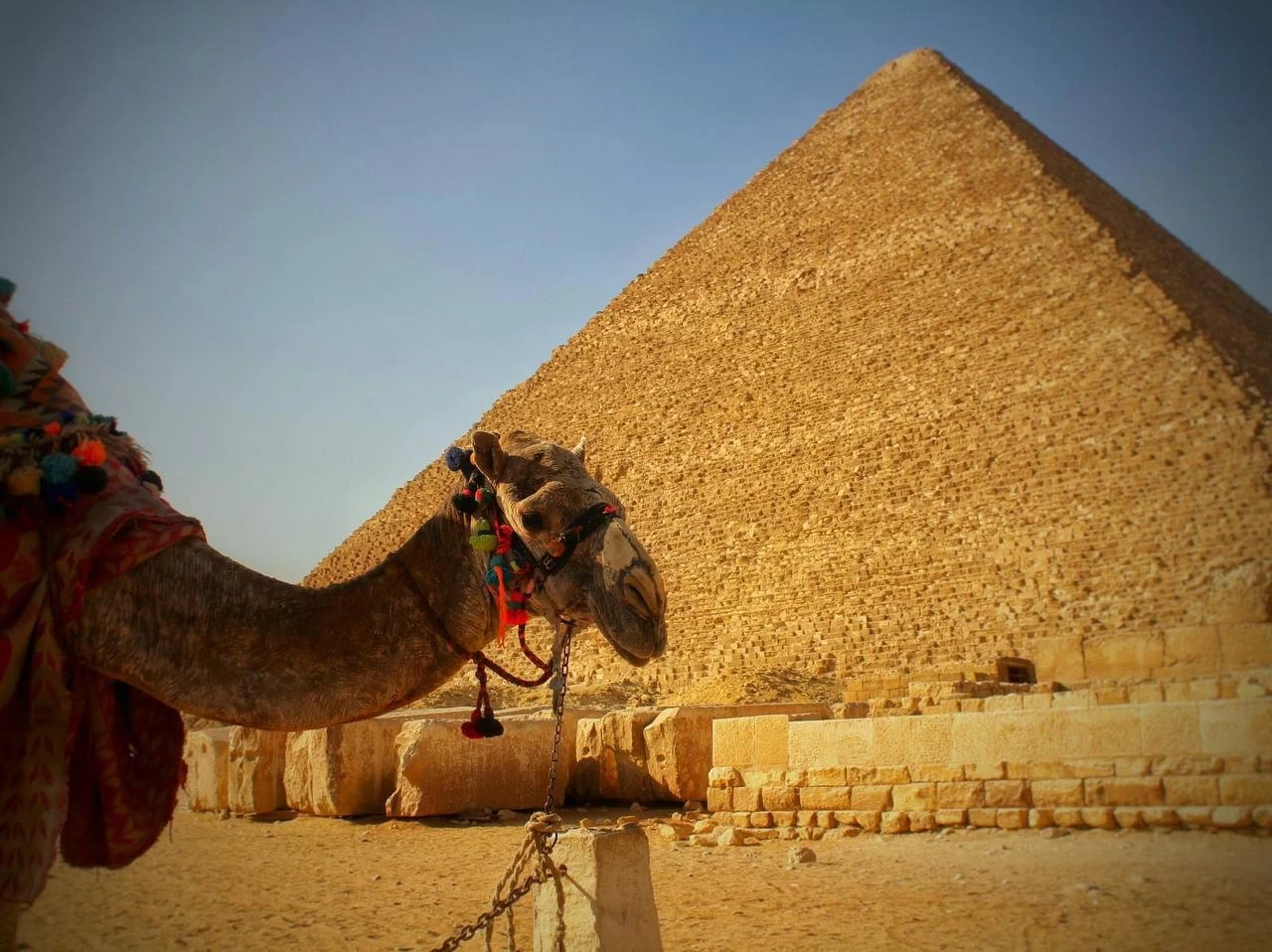
Explore our most popular travel packages at Nile Melody, designed to give you an exceptional experience of Egypt. Whether you're looking to sail along the Nile on a luxurious cruise, visit iconic sites like the Pyramids and the Sphinx, or relax in the serenity of the Red Sea, we have a package that fits your interests. Each of our packages combines top-notch service, competitive prices, and customized itineraries, ensuring you get the best out of your journey through Egypt’s wonders.
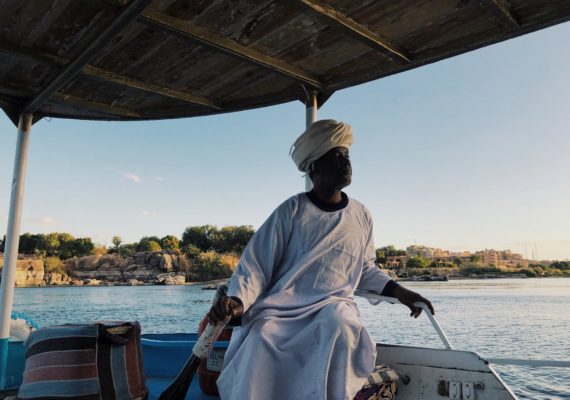
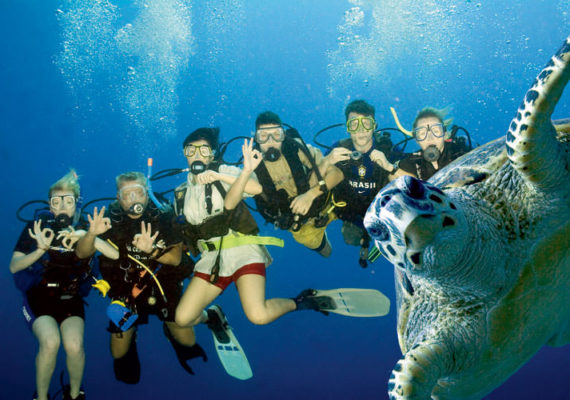
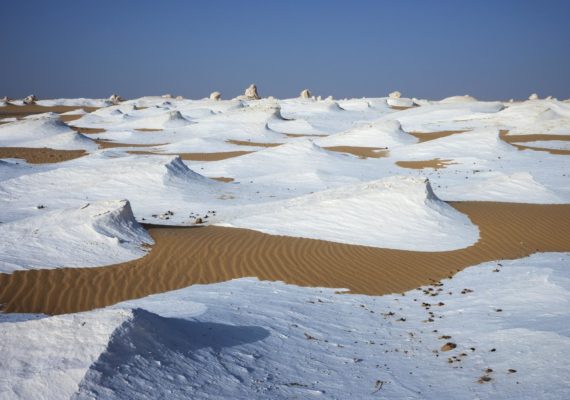
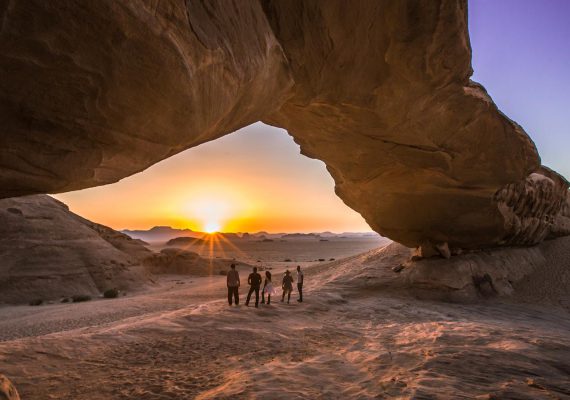
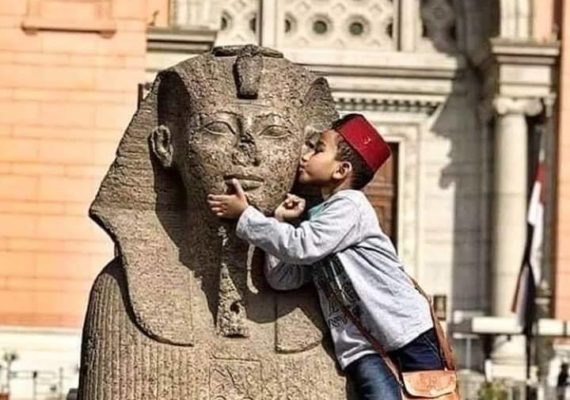
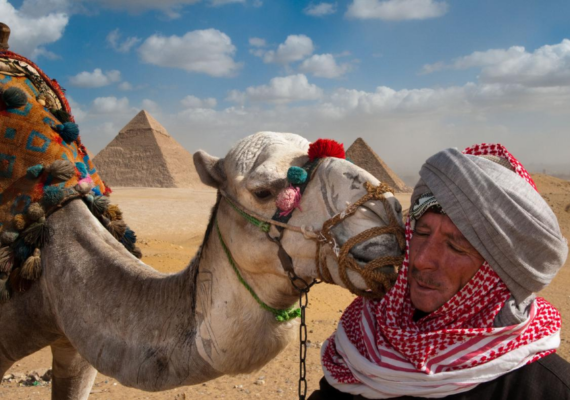
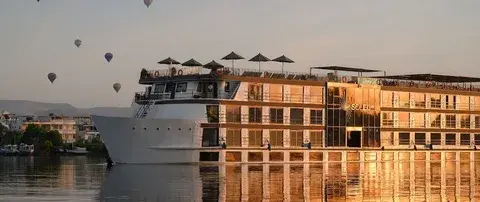
- Holidays
PHOTO GALLERY
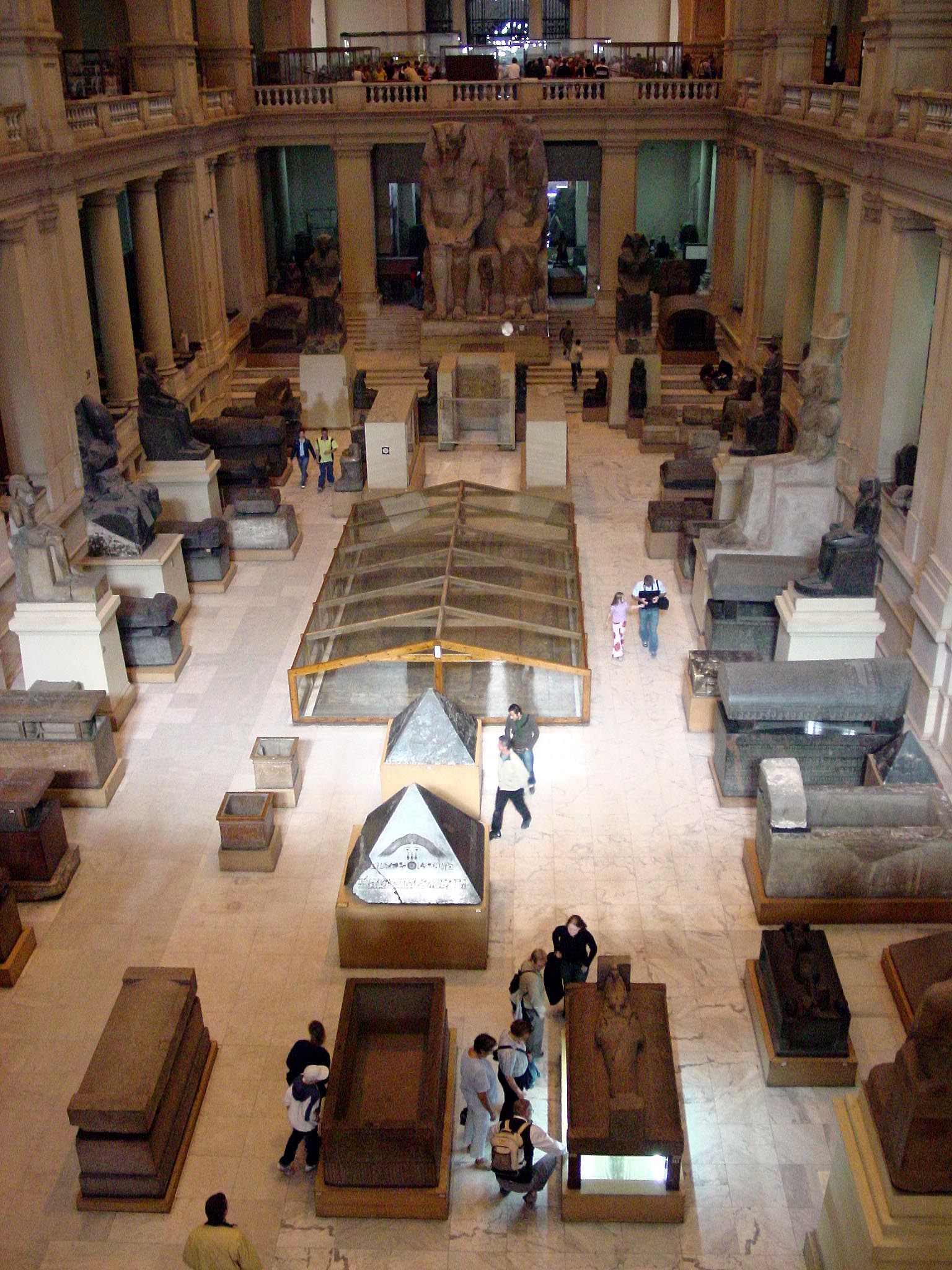
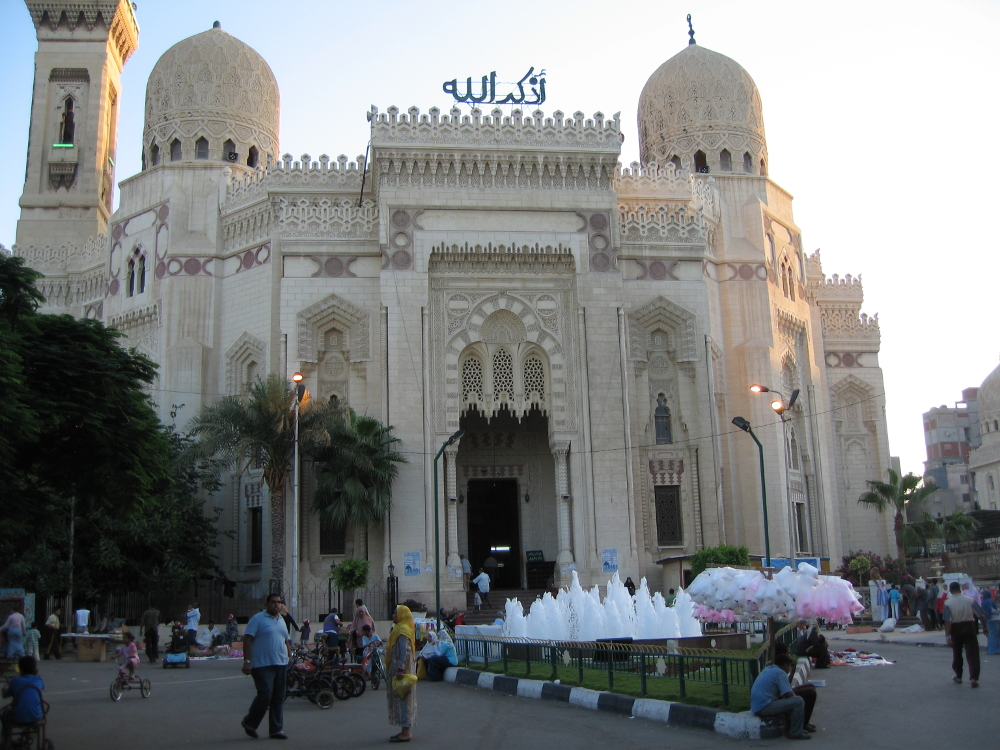
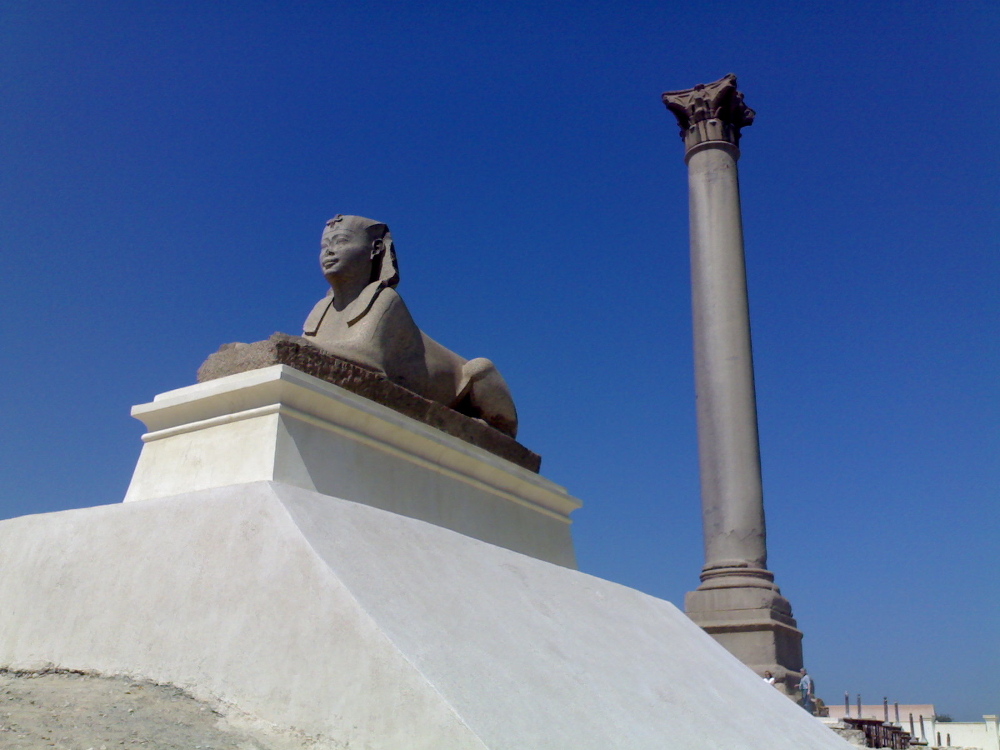
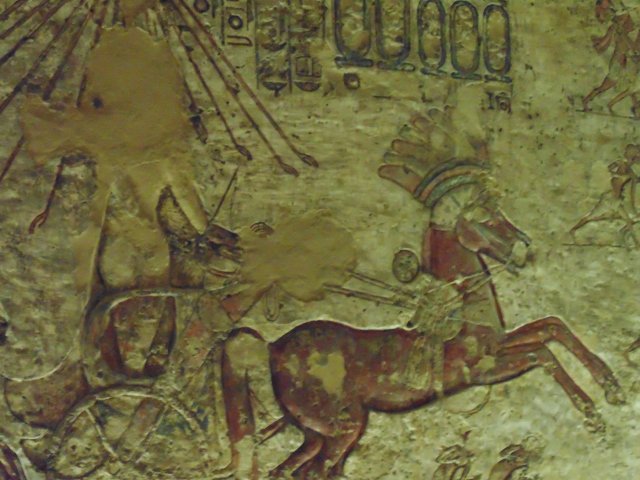
In our Photo Gallery section at Nile Melody, explore stunning visuals from past journeys and unique travel experiences. Whether it's the breathtaking views of ancient monuments, the serene beauty of Nile cruises, or the vibrant energy of Egypt's modern cities, our gallery captures the essence of what makes traveling with us unforgettable. Browse through moments that highlight the rich culture, history, and natural beauty of Egypt, and get inspired for your own adventure with Nile Melody.
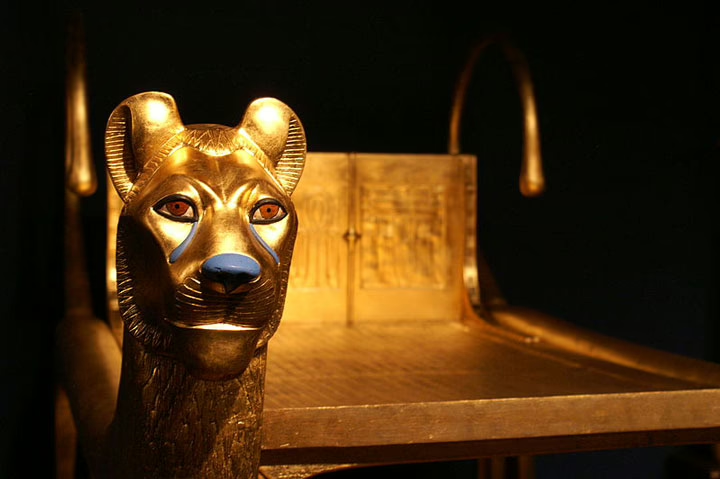
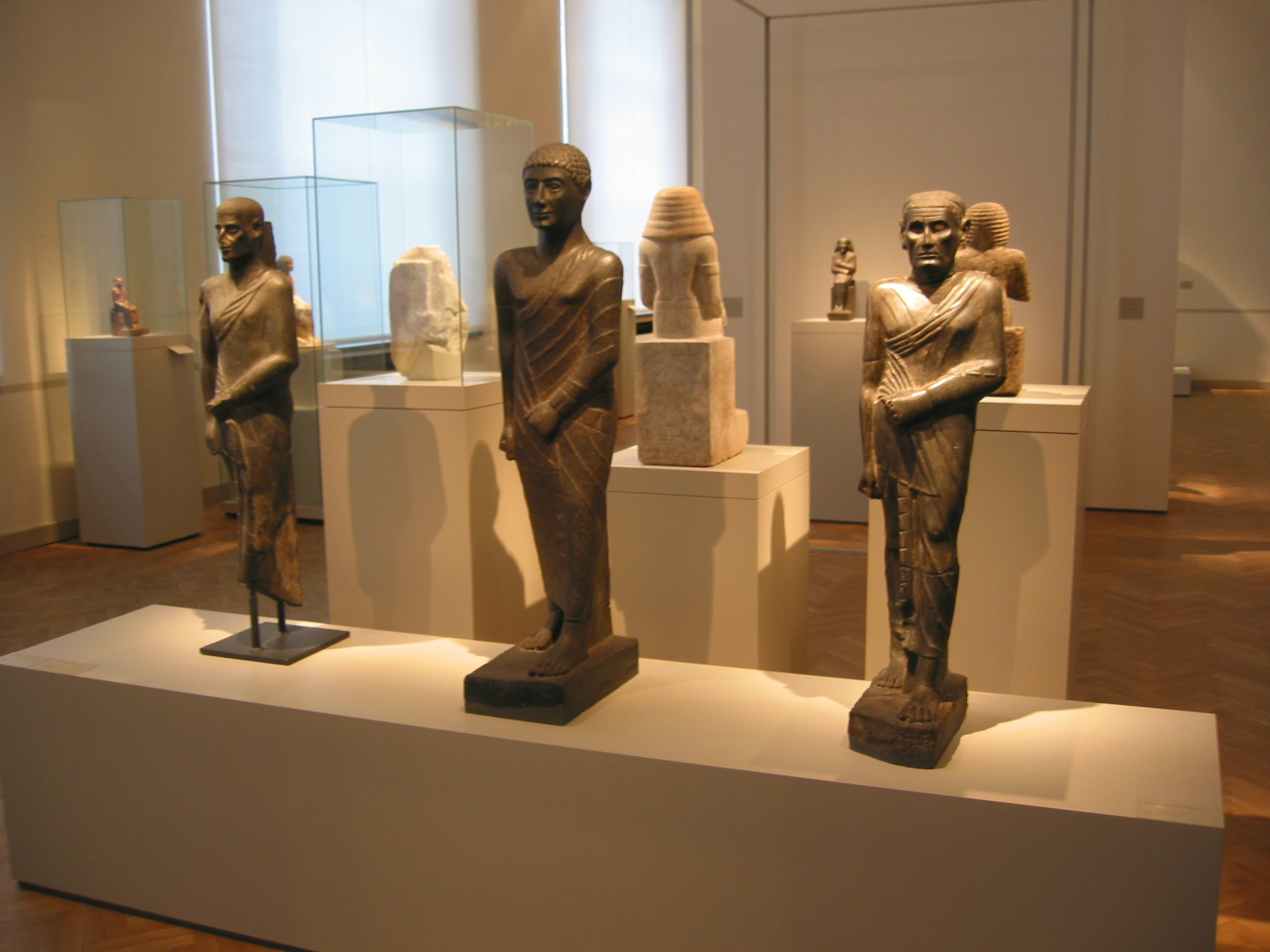
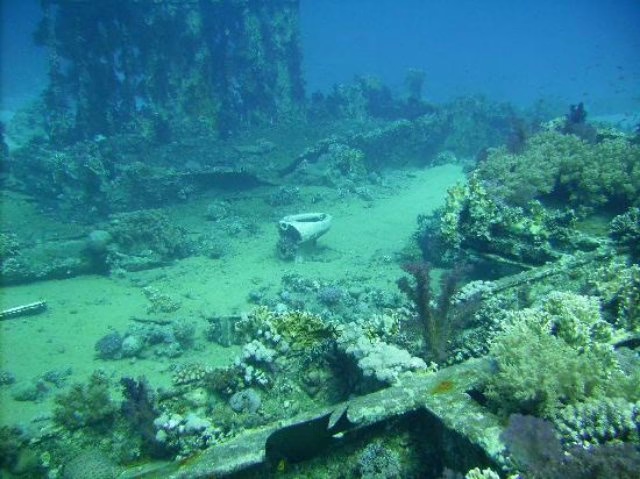
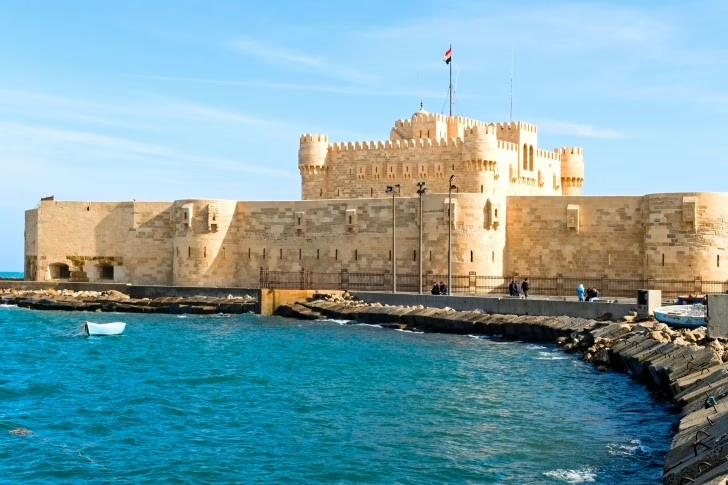
Travel Agents
Dear Travel Agents,
We give a full support to Travel Agents in Egypt. more information about Egypt We ensure the best quality service to secure the relationship with our customers. We would like to invite Travel Agents, to take advantage of our discounted tours to Egypt. This will allow you to inspect our programs and services first hand.
BOOK WITH CONFIDENCE
24/7 Support
24/7 Support from our team
Private Tour Guide
Private Tour Guide during your tour
Money Value
Money Value and a luxury service
secured Payment Online
Easy and secured Payment Online
SUBSCRIBE TO OUR NEWSLETTER
Stay up-to-date with all the latest news, exclusive offers, and exciting travel packages from Nile Melody by subscribing to our newsletter. Whether you're planning your next vacation or just dreaming about future adventures, our newsletter delivers inspiration and insider tips directly to your inbox. Be the first to know about special promotions, travel deals, and new tour options designed to make your Egyptian getaway unforgettable. Sign up today and never miss a chance to explore Egypt with Nile Melody!
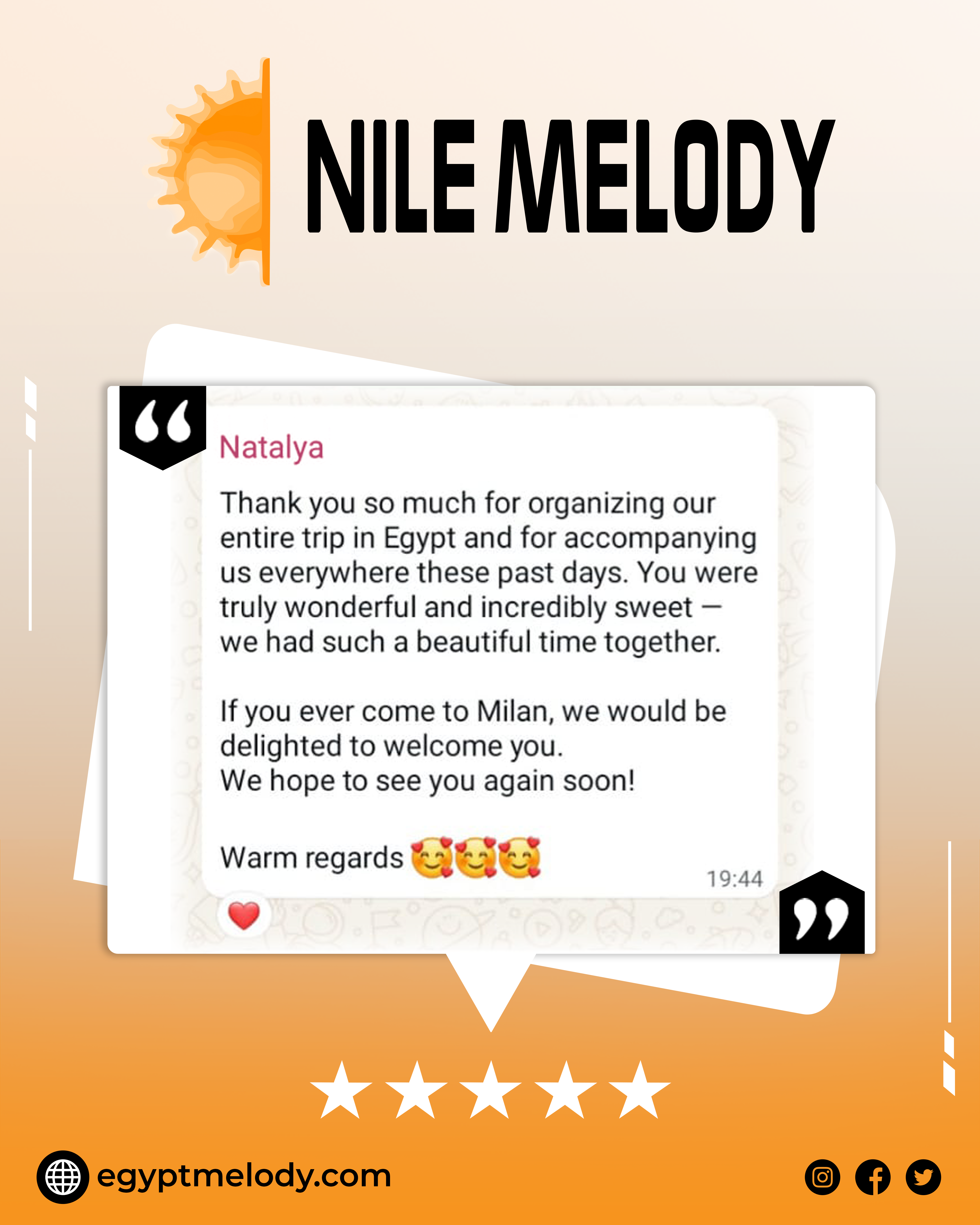
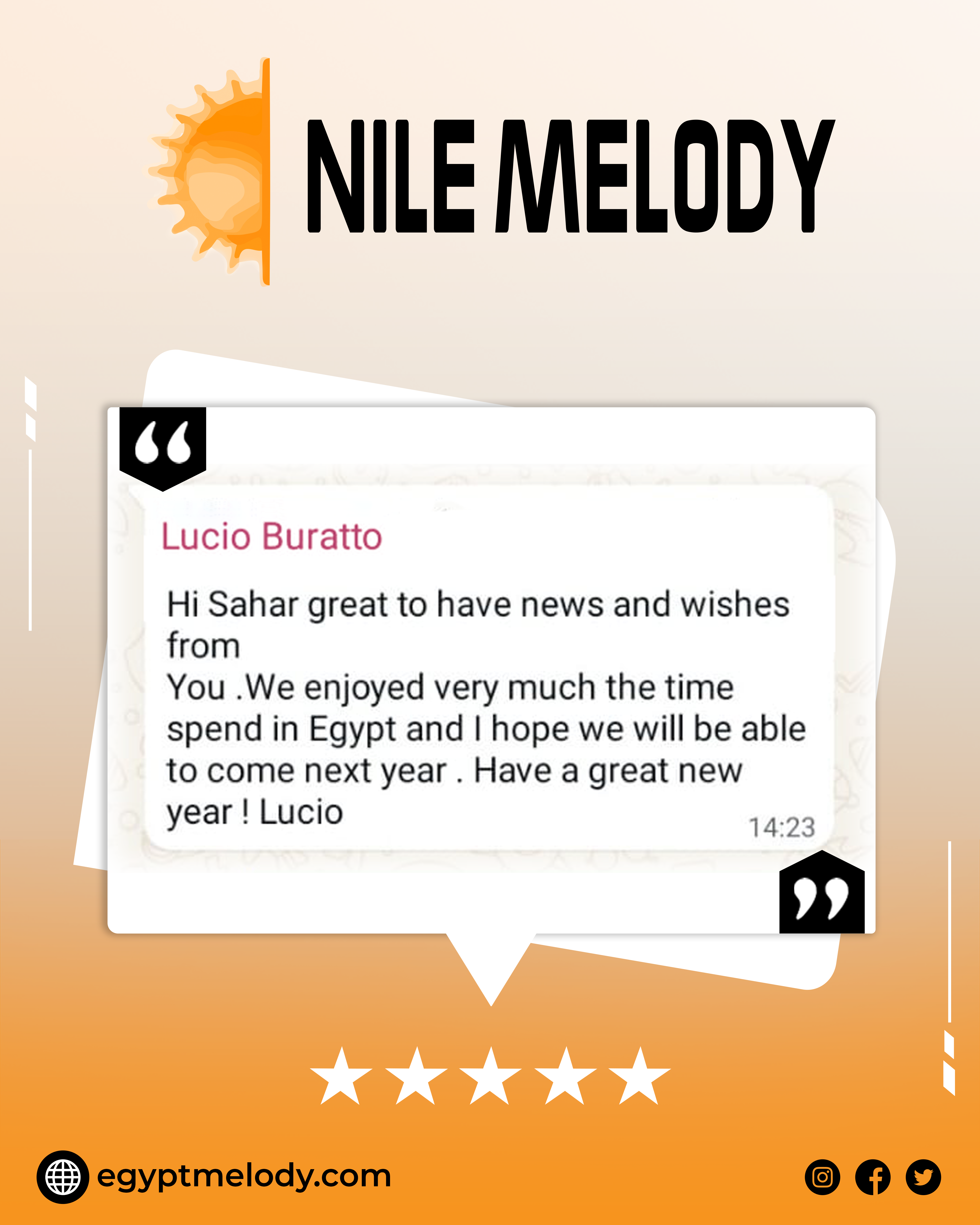
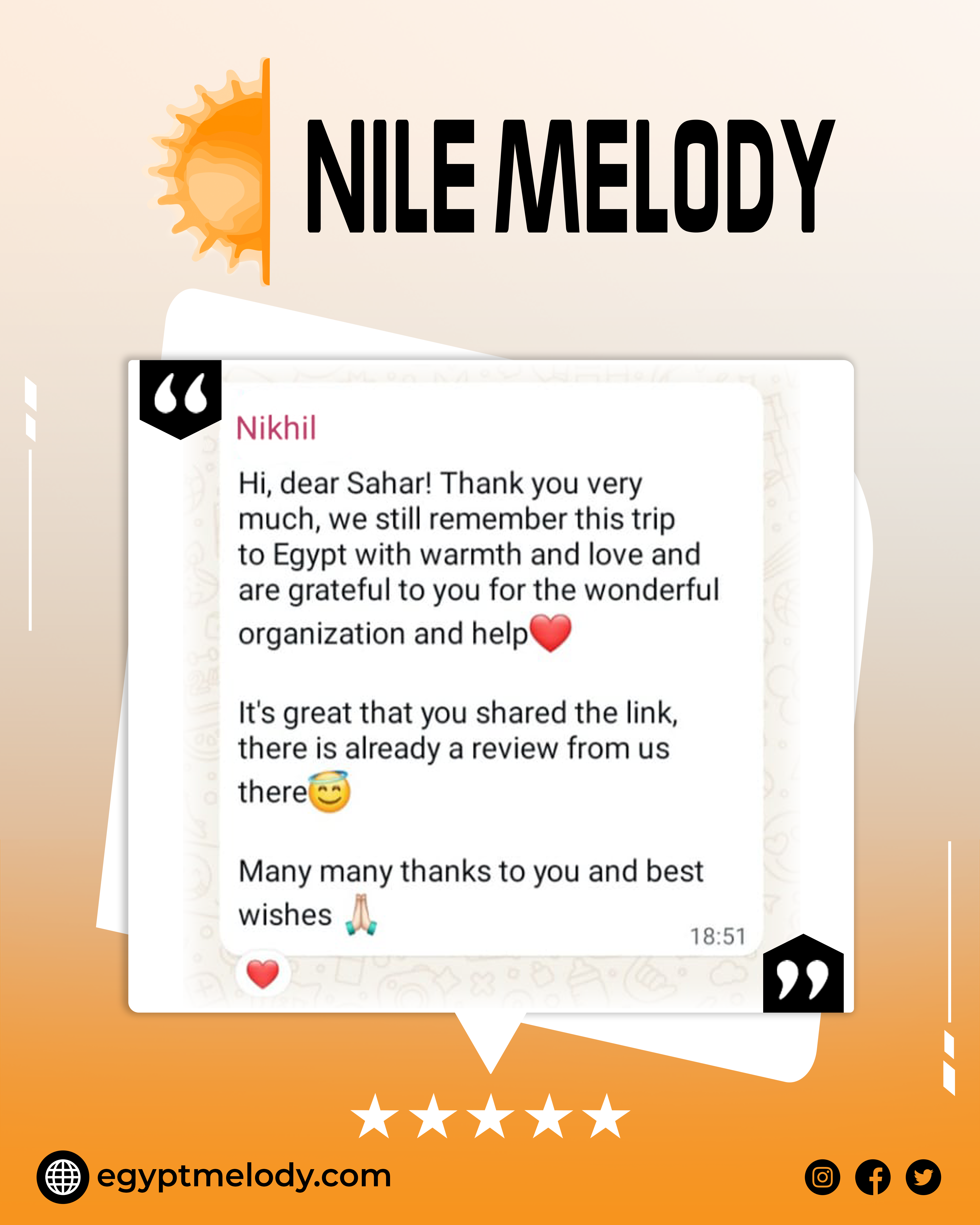
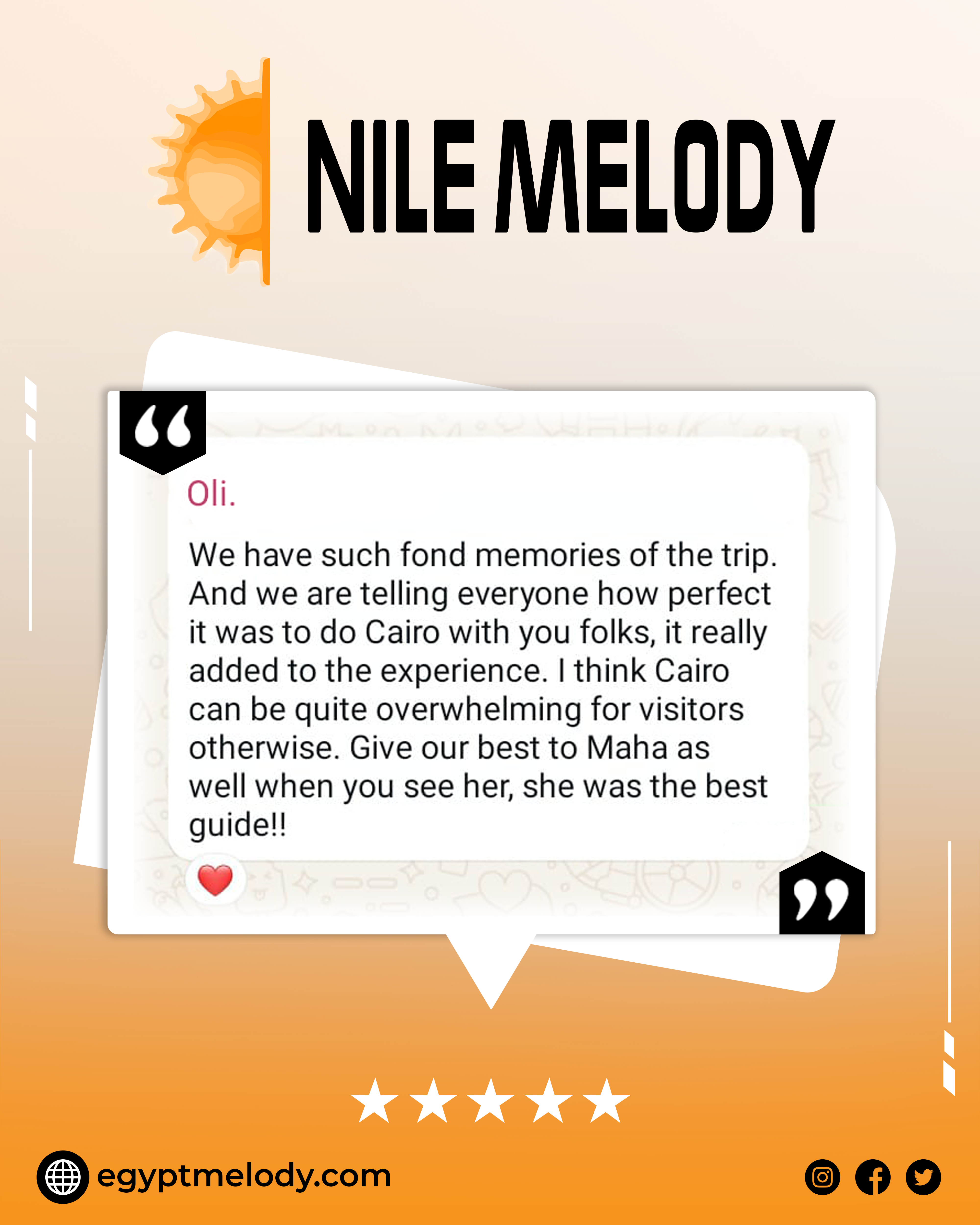
Travel Agents
What is Egypt Melody and what services does it offer?
Egypt Melody is a travel and tour operator offering a variety of travel packages throughout Egypt. These include cultural tours, Nile cruises, desert safaris, Red Sea diving adventures, and customized holiday experiences tailored to individual and group needs.
How can I book a tour through Egypt Melody?
You can book a tour by visiting the packages page on the site, selecting your desired itinerary, and filling out the booking or contact form. Alternatively, you can reach out via email or phone to finalize your reservation.
Are customized travel itineraries available?
Yes — Egypt Melody can create fully customized itineraries based on your interests, travel dates, and budget. This ensures a tailored experience whether you want history, relaxation, or adventure.
What destinations and activities are included in the packages?
Popular destinations and activities include historic sites like the Pyramids and temples, Nile River cruises, diving in the Red Sea, desert safaris, and cultural city tours in Cairo, Luxor, Aswan, and more.
How can I contact Egypt Melody for questions or support?
ou can contact Egypt Melody by phone, email, or through the contact form on the site. Their team is available to answer inquiries, provide travel advice, and help with booking details.
What is the best time of year to visit Egypt?
The best time to visit Egypt is during the cooler months, from October to April. The weather is mild, making it ideal for exploring the historic sites, cruising the Nile, and enjoying outdoor activities without the extreme summer heat.